Roga · 2024 · Mobile (iOS & Android) · Web · Wearable · Design System
A neurotech experience that finally feels human.
An AI-powered neurotech platform helping users manage stress and anxiety through a wearable device, personalised insights, and guided experiences across mobile, web, and hardware.
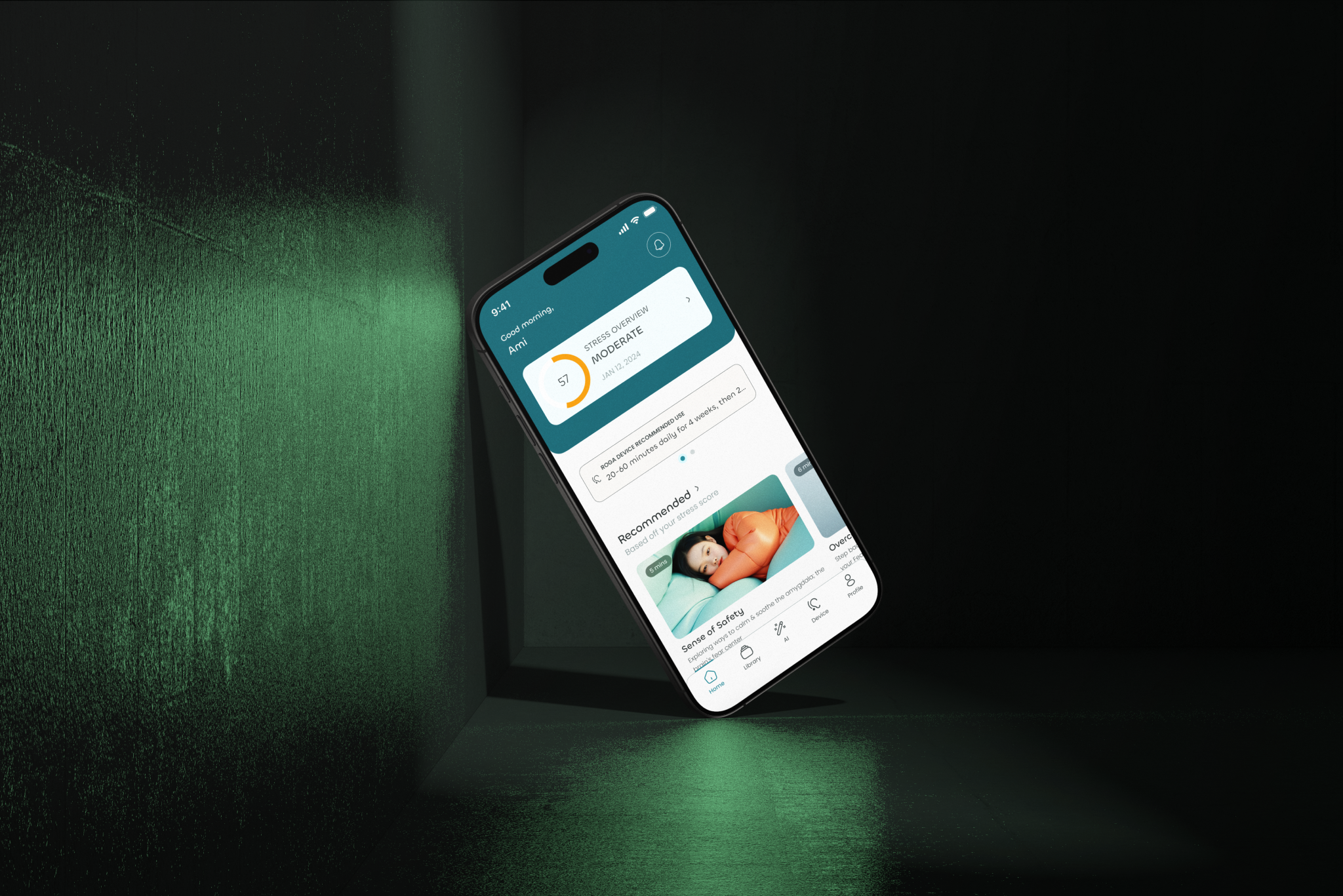
Roga is an AI-powered neurotech platform helping users manage stress and anxiety through a wearable device, personalised insights, and guided experiences across mobile, web, and hardware.
The Problem
High drop-off during onboarding, complex device setup, unclear clinical insights, and generic content that failed to engage users or show progress.
The Goal
Simplify onboarding and setup, translate insights into plain language, personalise content meaningfully, and drive sustained engagement in stress management.
Role
UX Lead — Product & Systems
0%
Setup time reduced
0
Platforms shipped
0.0
Post-launch rating
I audited the existing product, reviewed unused research, and ran rapid user interviews to understand stress-management needs and identify friction points in the experience.
User Profile
Adults managing stress and anxiety — professionals, creatives, and health-conscious individuals using neurotech to improve focus, sleep, and emotional wellbeing.
- 01Led UX research to identify onboarding & setup issues
- 02Designed end-to-end product across mobile, web, and hardware
- 03Built a scalable design system across platforms
- 04Redesigned website & store for trust and conversion
- 05Defined pricing model aligned with user needs
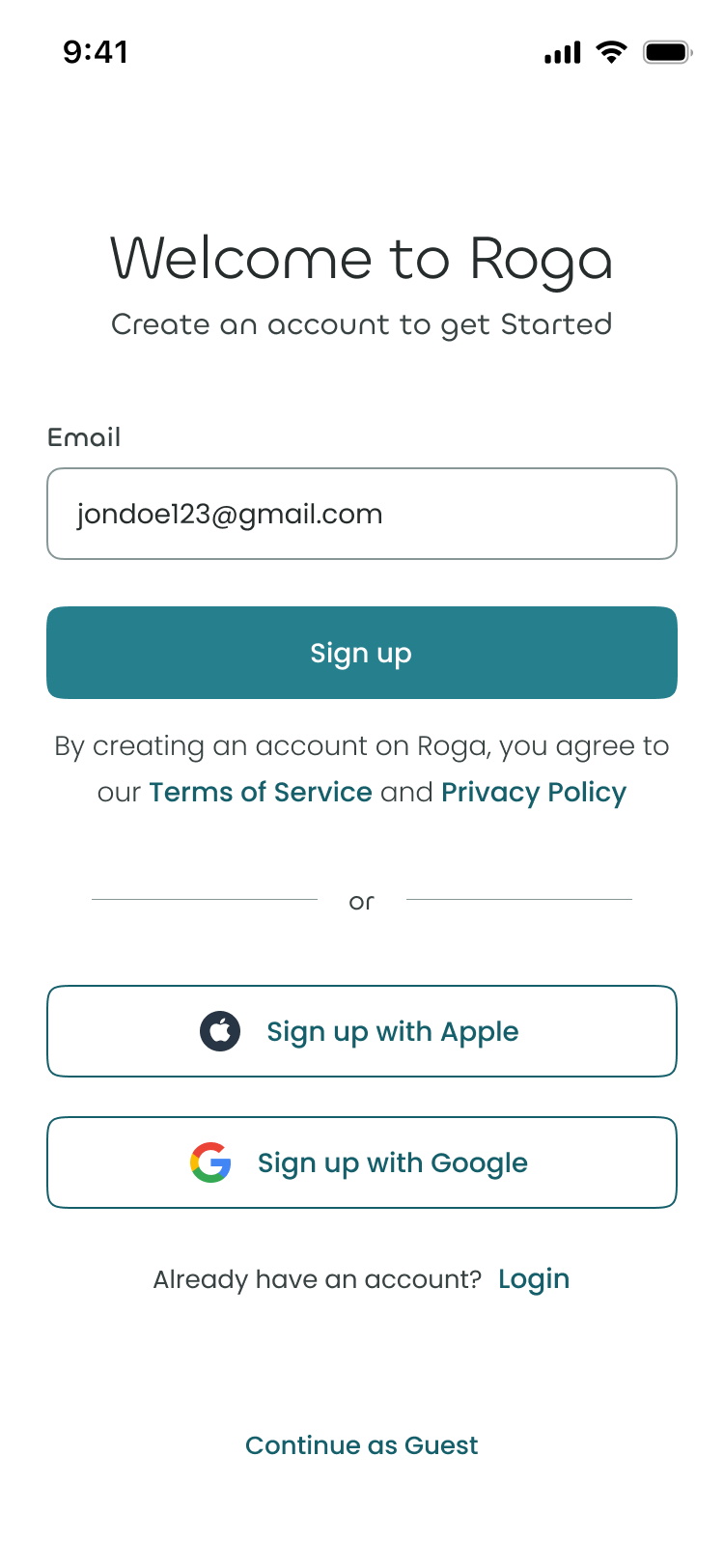
01
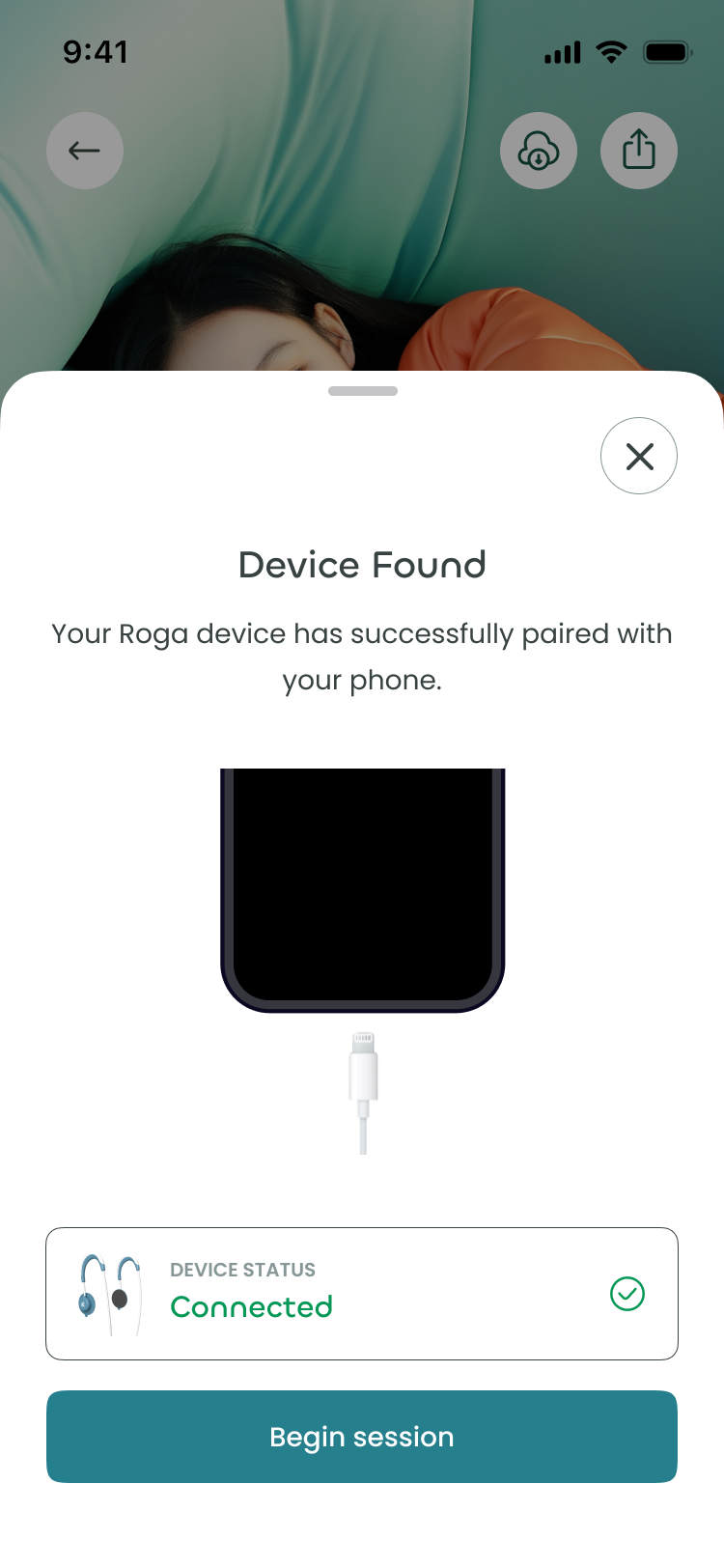
Step-by-step device onboarding
Reduced setup time by 40% with a guided, error-tolerant flow.
02
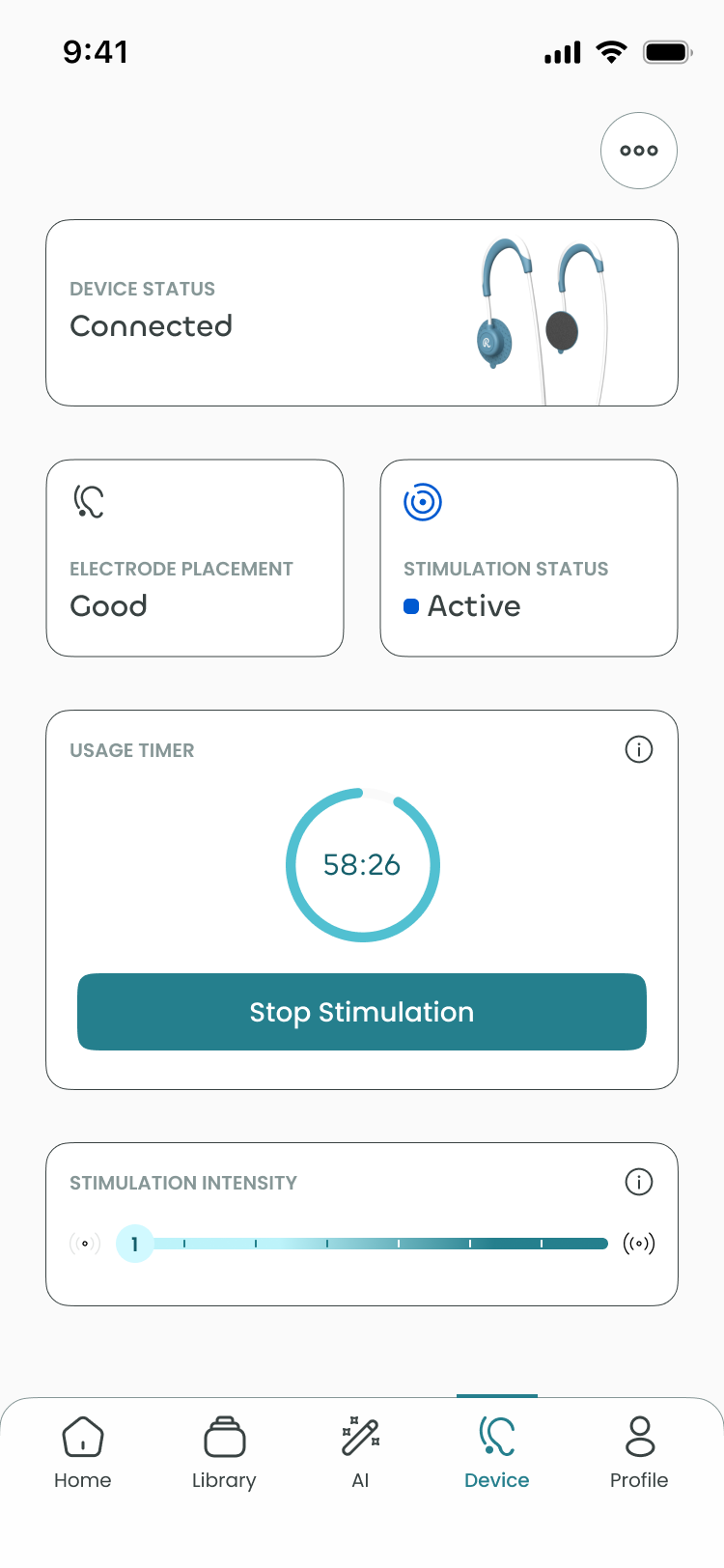
Device pairing made obvious
Connection state, stimulation level and feedback are surfaced in plain language.
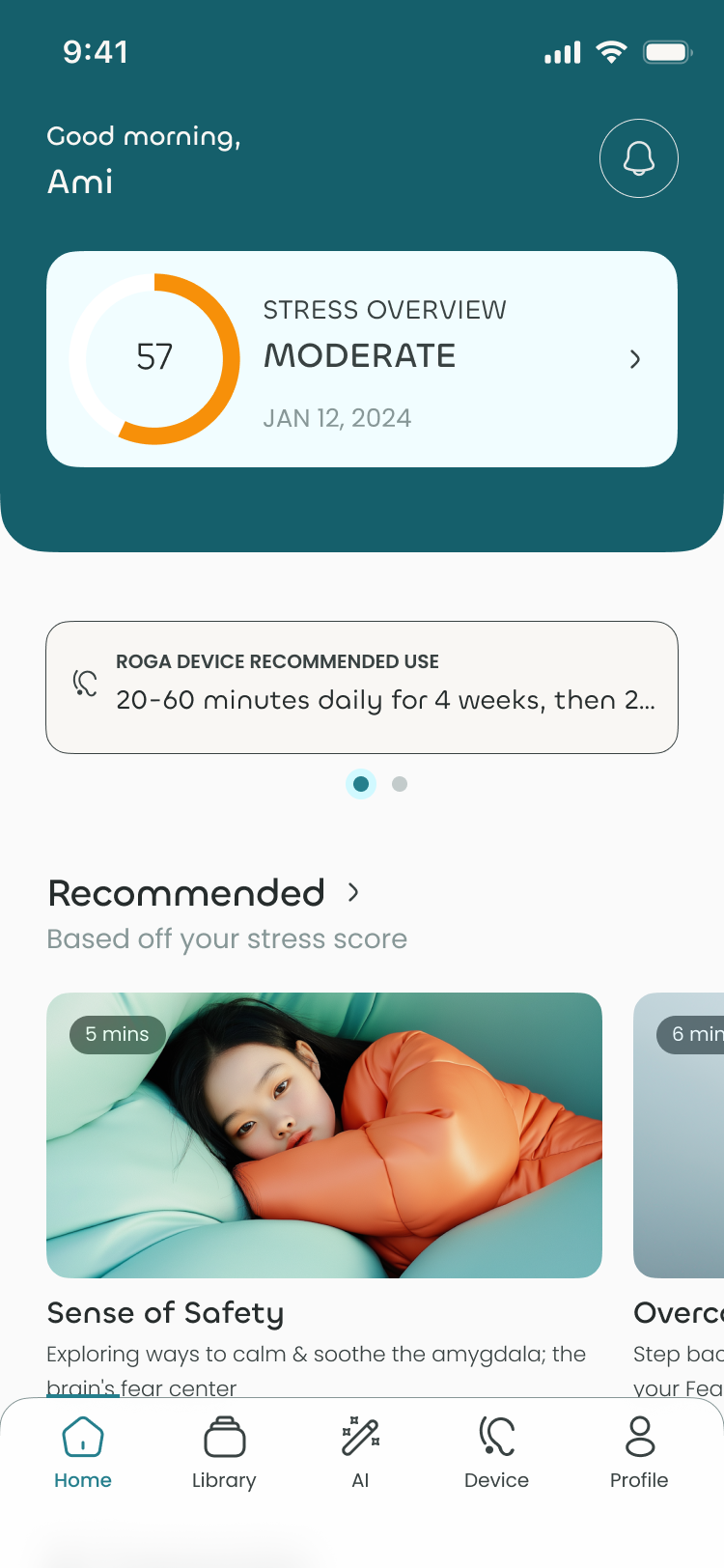
03
AI explanations of stress
Translated clinical data into clear human language users could trust.
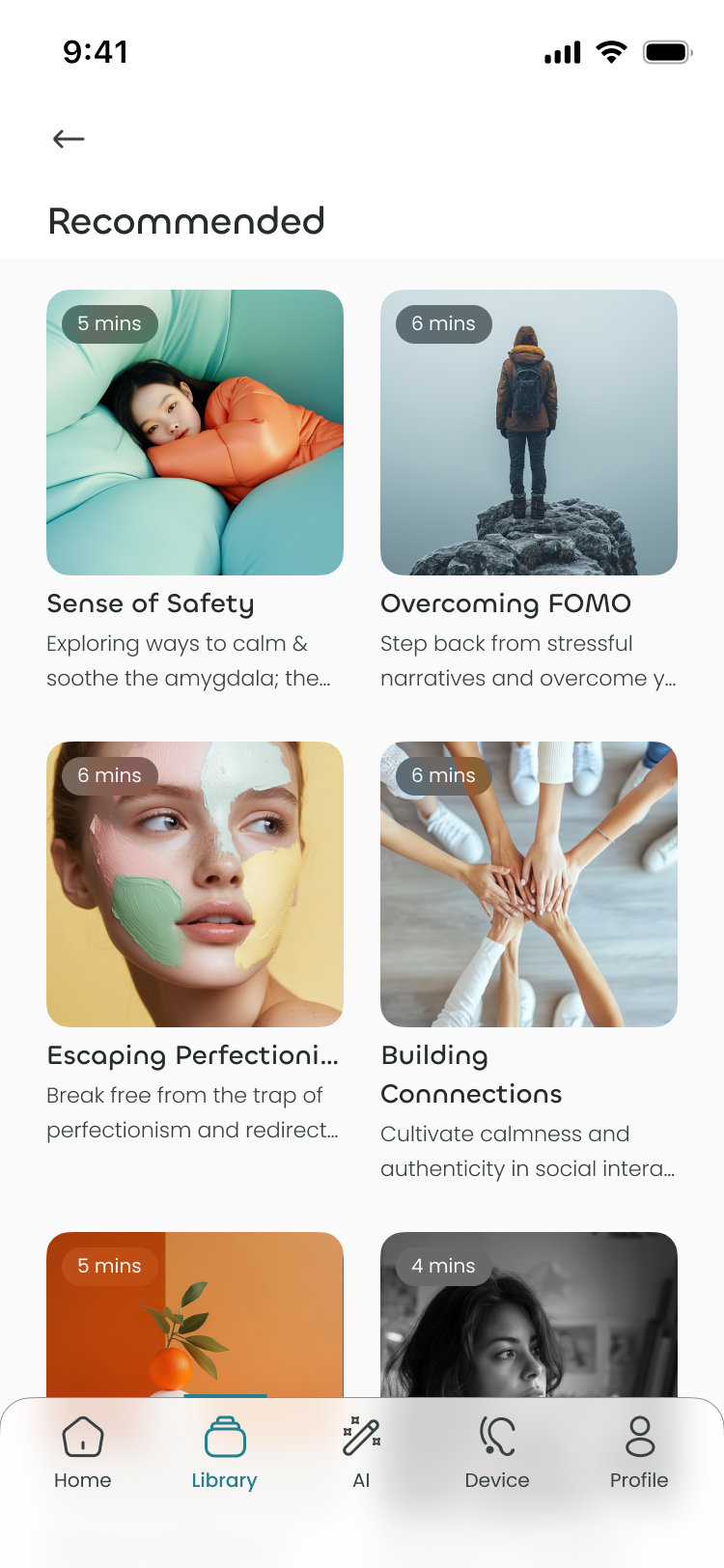
04
Personalised library
Matched sessions to user needs based on signals — not guesses.
05
Session player that respects the moment
Calm, focused, and responsive to the connected device state.
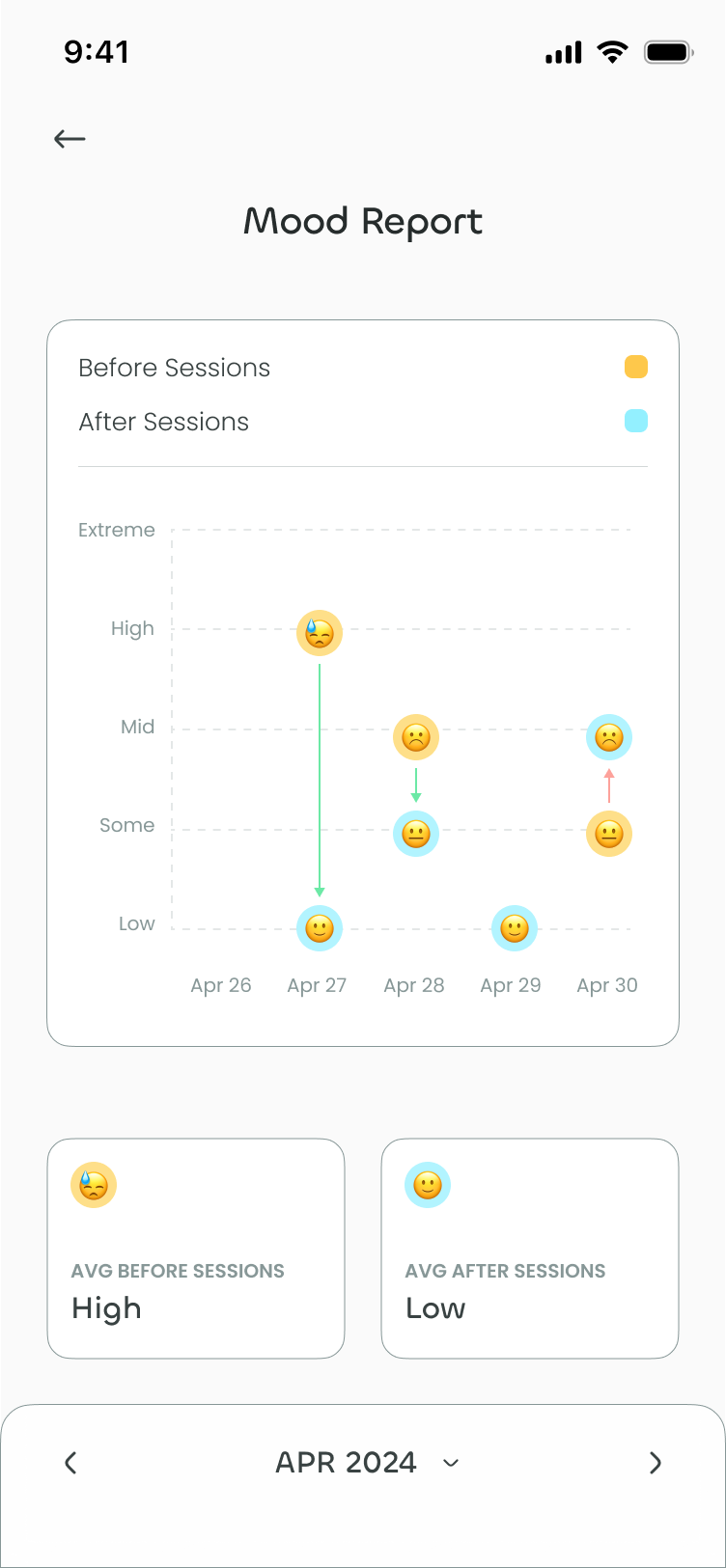
06
Progress that feels earned
Mood reports and badges made invisible progress visible.
Nate
Product Designer (UI/UX)
Shark
Software Engineer
Agus
Industrial Designer
Hannah
PR & Marketing Lead
Alison
Chief Scientist
Ami
CEO
The redesign significantly improved adoption, engagement, and retention while reducing reported stress, anxiety, and sleep issues. Business outcomes included higher conversions and stronger user trust.
Takeaways
Reducing friction early drives retention. Translating complex data into human language builds trust. Personalisation only works when users understand the why.
Impact
- 01User satisfaction & engagement increased significantly
- 02Setup friction & onboarding drop-off reduced substantially
- 03Users reported better focus, sleep, and emotional regulation
- 04Improved trust, retention, and conversion rates
What I learned
Data-driven decisions and cross-functional collaboration were critical to success. Earlier alignment on conflicting insights would have accelerated progress.
Next Steps
Continue monitoring long-term engagement patterns, expand personalisation capabilities, and test new content formats to deepen user connection and clinical outcomes.
Due to NDA restrictions, the full Figma file is not publicly shared. For access and a walkthrough, email morenikejiolawaletimothy@gmail.com.
Want something
like this?
Continue