Real costs of solar energy installation in Nigeria in 2026, a complete breakdown

If you have been searching for solar options in Nigeria, you have probably run into one frustrating experience: you cannot find a clear, honest breakdown of what solar actually costs. You see vague ranges, confusing technical specs, and prices that only make sense once you have already committed to a process.
This article is different. We are going to give you the real numbers — deposit, monthly payment, total cost, and what you save versus a generator over 4 years — for the most common solar system sizes in Nigeria.
What drives solar costs in Nigeria
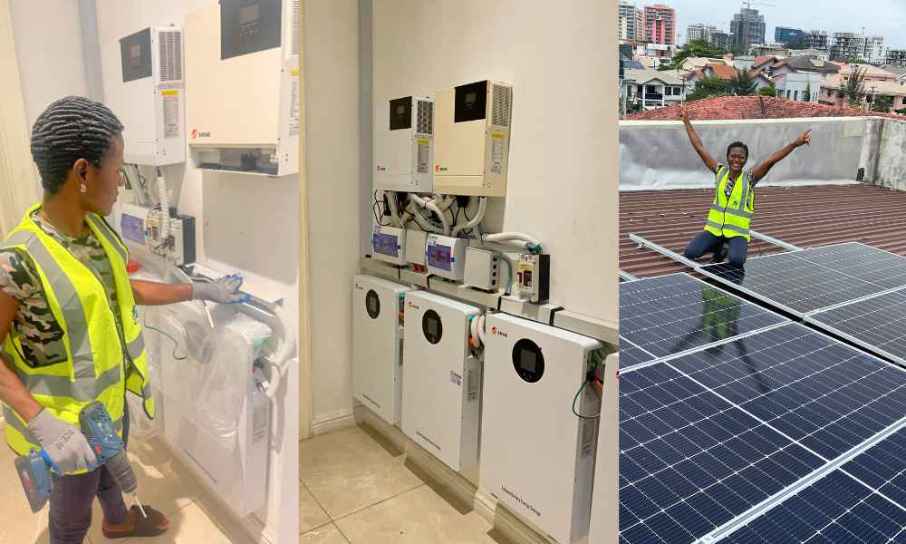
A solar system has three main components: the inverter (converts solar power to usable electricity), the battery (stores power for use when the sun is not shining), and the solar panels (generate the electricity from sunlight). The cost of each depends on the capacity — which is determined by how much electricity your home or business needs.
There are also installation costs, which Uwana includes in the quoted system price. There are no separate “labour fees” added at the end.
The most common system sizes and what they cost
Here are the current prices for the four most popular system sizes on Uwana Connect, with a plain-language description of what each one can power:
The monthly payment column above uses Rivy’s 4% monthly interest over 12 months — the lowest-cost financing option available on Uwana. Your actual monthly payment may differ depending on which financing provider you choose.
Deposit vs total cost — the confusion explained
The most common source of confusion we hear from customers is the difference between the deposit (what you pay to get started) and the full outright price of the system. These are two different things — and on top of the outright price, if you choose a financing plan, there is also interest to account for.
Here is how it works for a 5 kVA system with Rivy financing:
When does solar pay for itself?
The payback period depends entirely on what you are currently spending on fuel. For a home spending ₦150,000 per month on generator fuel, a 5 kVA system pays for itself in roughly 14–16 months. After that, every month is pure savings.
Use our Solar Savings Calculator to enter your actual fuel spend and see your personalised payback timeline.
What affects the final price
- System capacity: Determined by your appliances and usage hours. Our recommendation tool calculates this for you.
- Battery type: Lithium batteries cost more than lead-acid but last significantly longer. Uwana uses lithium by default.
- Number of solar panels: More panels means more generation capacity — relevant if you want the system to produce more power than you need daily.
- Financing choice: Rivy’s 4% monthly adds ₦289,000 to a ₦1.7M system. AltPower’s 22% fixed adds ₦838,000. Your financing choice significantly impacts total cost.
- Location: Installation logistics vary slightly by state. Nationwide coverage is included in Uwana’s pricing.
The bottom line
Solar in Nigeria is not cheap upfront. But it is almost always cheaper than continuing to run a generator — especially over a 2–4 year horizon. The key is understanding what you are actually paying for, choosing the right system size for your needs, and selecting the financing option that works for your cash flow.
Uwana’s recommendation tool shows you all of this before you commit to anything. There is no sign-up required to get a full system recommendation and cost breakdown.
Related articles

Solar generators vs solar inverters, what you need to know before buying
The two most common solar setups in Nigeria explained clearly — what each one does, which one is right for you, and what questions to ask your installer.

Rivy vs P2Vest vs AltPower, which financing plan is actually right for you?
We compare all three Uwana financing partners on real cost, deposit requirements, and qualification criteria, with worked examples on a 10 kVA system.
Supported by trusted
global partners





Get your free solar recommendation
in under 3 minutes